Tooth-Coloured Dental Inlay and Onlays from Prime Smile
Starting From
LKR 120,000.00

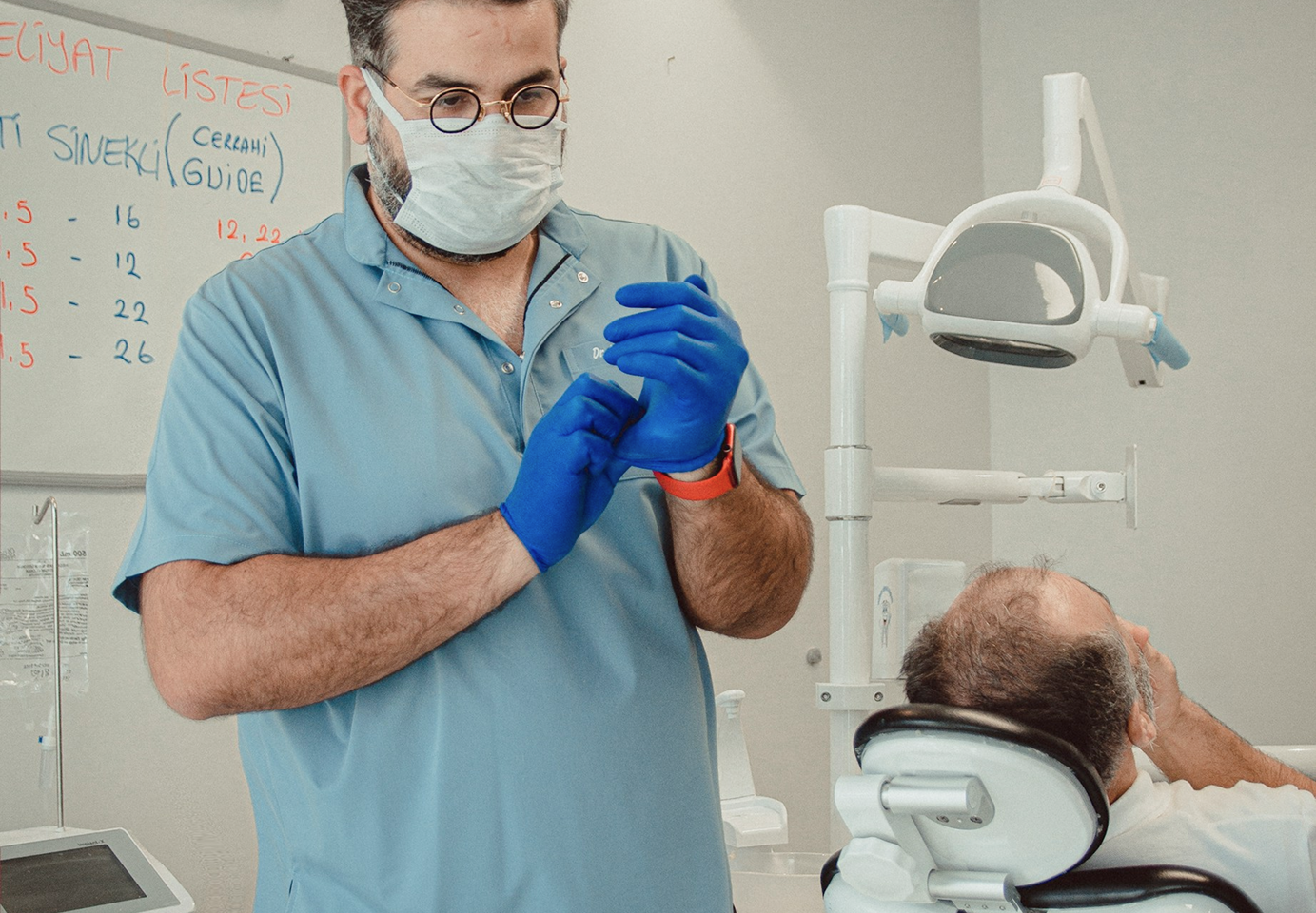
Dental inlays treat damage or decay limited to a tooth’s grooves and inner surfaces. Covering only the biting surface, they are ideal for small areas, providing a more durable and precise alternative to traditional fillings.
Inlays are ideal when a filling isn’t strong enough, yet a crown or onlay is excessive. They restore the tooth precisely, maintaining strength, function, and a natural appearance while offering a durable, long-lasting solution.
Dental onlays are like inlays but cover more of the tooth, including cusps and outer surfaces. Often called “partial crowns,” they reinforce teeth effectively, providing strength and protection without requiring a full dental crown.
Custom-made like inlays, onlays fit precisely to protect teeth from further damage while preserving a natural appearance. They are ideal when a filling is insufficient, but a full crown would be unnecessarily invasive.
The dentist examines the affected tooth, deciding whether an inlay, onlay, or alternative treatment is best. Any decay or old fillings are treated during this initial assessment for optimal restoration.
Impressions are taken using a mould or digital scanner to custom-make your inlay or onlay. You can choose the material, and the tooth is carefully shaped and prepared to receive the restoration.
While your custom inlay or onlay is made in the lab, a temporary cover protects the tooth, prevents further decay, and reduces sensitivity until the permanent restoration is ready.
At the fitting appointment, the dentist places and bonds the inlay or onlay, checking aesthetics, function, bite, and chewing. You leave with a strong, natural-looking, and fully restored tooth.
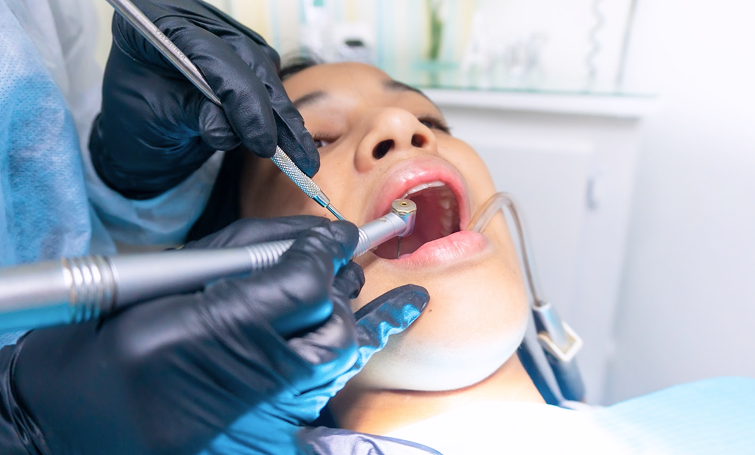
Inlays and onlays are stronger than traditional fillings, making them ideal for teeth needing extra support. They endure chewing forces for years, providing long-lasting protection and reducing the risk of further damage.
Placing inlays or onlays requires minimal tooth reshaping, preserving most of your natural enamel. This conservative approach maintains tooth structure while delivering a secure, durable, and reliable restoration.
Made from tooth-colored porcelain or composite, inlays and onlays are virtually invisible. Unlike metal fillings, they blend seamlessly with your teeth, allowing you to smile and laugh confidently without showing dental work.

We’ve gathered the most frequently asked questions from patients, so you can get quick answers without waiting. Answers are written by our dental team to provide reliable information. For detailed and personalised questions, please call us or submit an online enquiry.
An inlay fits within the grooves of your tooth, while an onlay covers a larger, usually external, portion, including one or more cusps. Otherwise, they offer a similar protective function for teeth and are made from the same materials.
Inlay or onlay dental treatments are known to last around a decade with proper care. However, durability will vary between individuals depending on tooth wear and tear and oral hygiene habits.
Dental inlays and onlays can be made from porcelain, composite resin, or gold. Traditionally, they were made from gold. At Prime Smile, we use high-quality porcelain or composite resin for durability and to achieve a natural, tooth-coloured finish.
Dental inlay and onlays are considered more durable than traditional fillings, so some dentists recommend them over fillings to protect teeth with larger cavities. Your dentist will advise you on which type of treatment is best for your condition. In some cases, a dental crown might be the best option.
At Prime Smile, dentists perform inlay onlay procedures under local anaesthetic, so you should not feel any pain during the treatment. We will take extra care to make sure you are comfortable during the treatment. If you are particularly nervous about this treatment, you can discuss sedation options with your dentist.