Prime Smile Composite Dental Fillings in Jaffna
Starting From
LKR 120,000.00

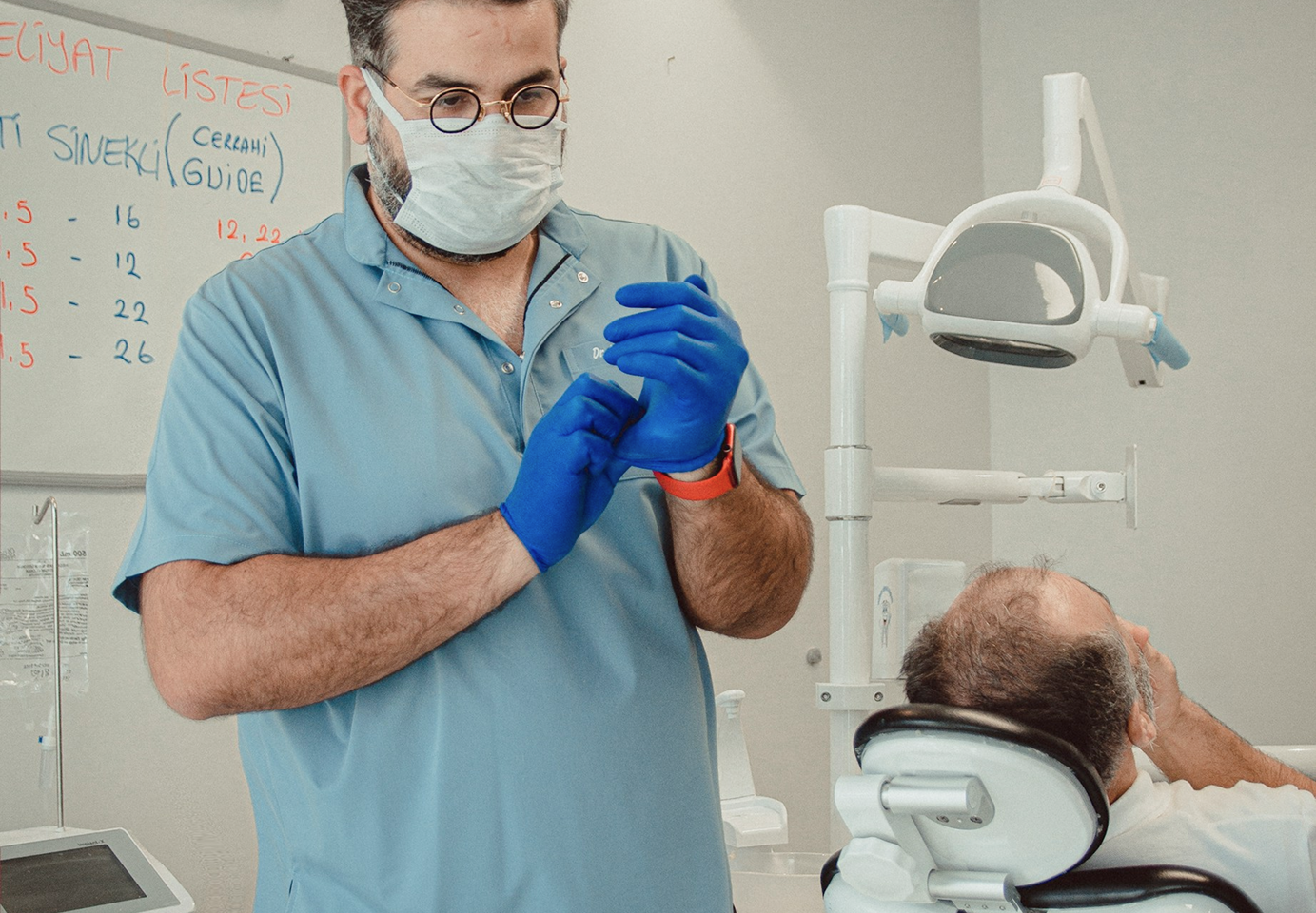
Composite is a resin material that bonds directly to teeth, making it ideal for cavity fillings. Its white shade matches natural teeth, so it’s perfect for repairing cavities or minor damage on front teeth visible when you smile.
Composite fillings are durable and can last several years with proper care. Although they’re less resistant to heavy chewing than metal, their natural look makes them the preferred choice for patients focused on appearance.
Amalgam fillings are made from a mix of metals including silver, tin, copper, and mercury. They’re commonly used for back molars exposed to strong chewing forces because they are sturdy and long-lasting.
While not as aesthetic as composite, amalgam fillings are practical and extremely durable. They’re ideal for back teeth where visibility is low and strength is the main priority for long-term performance.
Your visit begins with a full dental exam. If needed, X-rays are taken to assess the cavity. You can discuss filling options, but your dentist will recommend what’s medically best for your tooth and long-term oral health.
The dentist numbs the area with local anaesthetic so you won’t feel pain. Special instruments are used to remove decay and clean the cavity, preparing it properly for the chosen filling material.
The filling material is placed into the cavity. Composite is applied in layers and hardened with a curing light, while amalgam is packed directly into the space to restore the tooth’s structure.
The filling is shaped to match your natural tooth and polished smooth. Your bite is checked for comfort. You’ll receive aftercare advice and a follow-up date if needed before leaving the clinic.


Avoid very hard foods for 24 hours after your filling, especially with composite. Chew slowly on the opposite side until numbness fades. Once fully bonded, your filling will handle normal chewing forces.
Watch for sensitivity to hot, cold, or pressure after treatment. Mild sensitivity is common, but ongoing pain should be reported. A follow-up lets your dentist check the filling’s condition and ensure it stays secure and functional.
Brush twice daily with fluoride toothpaste and floss once a day. Good hygiene prevents decay around the filling and extends its life. Pay extra attention between teeth, as plaque build-up there can weaken the restoration.

We’ve gathered the most frequently asked questions from patients, so you can get quick answers without waiting. Answers are written by our dental team to provide reliable information. For detailed and personalised questions, please call us or submit an online enquiry.
A dental filling typically takes between 20 to 60 minutes in a single appointment. The length of the procedure depends on the severity and location of the cavity or enamel damage.
Yes, but you may have to eat soft foods for at least a day until the filling fully bonds. Composite fillings harden immediately with a curing light, so you can eat once the numbness wears off. However, it’s recommended not to bite down on hard foods immediately after the treatment. Your dentist will recommend what to eat once you go home.
Most government hospitals and clinics in Sri Lanka provide cheap, metallic fillings that require frequent replacement. Prime Smile offers high-end composite dental fillings that look natural, and durable amalgam fillings. Glass iomer and ceramic fillings are also available if requested.
A composite dental filling can last up to 7 years, averaging around 5 years. Longevity depends on oral hygiene and chewing habits.
Dental fillings in Sri Lanka are free at government hospitals, but durable and high-end fillings can cost between Rs XXX and Rs XXXX. Prime Smile offers composite tooth fillings not typically available from Sri Lankan dental providers. Prices start from Rs XXXX.