Prime Smile Hygiene Cleaning
Starting From
LKR 120,000.00

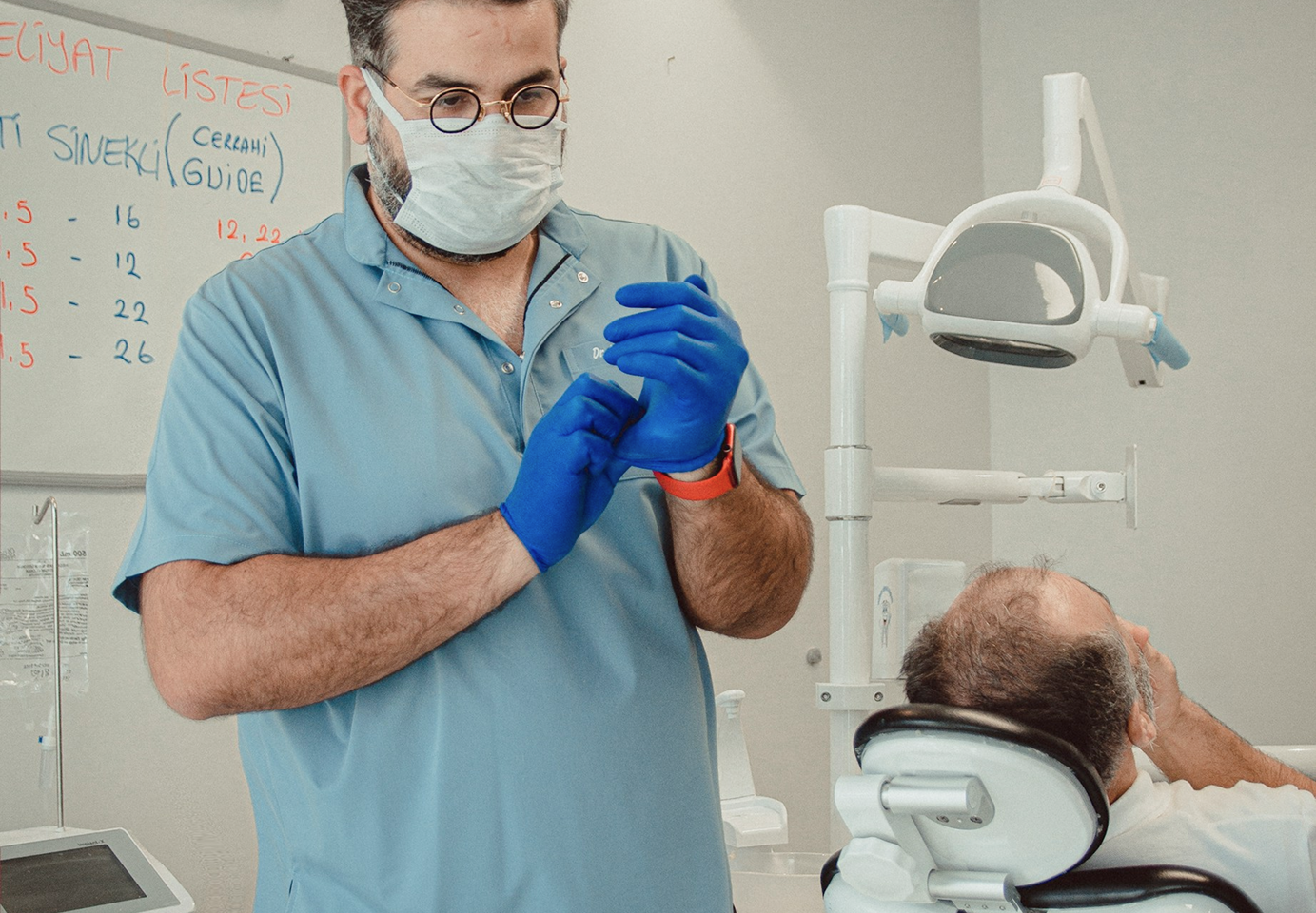
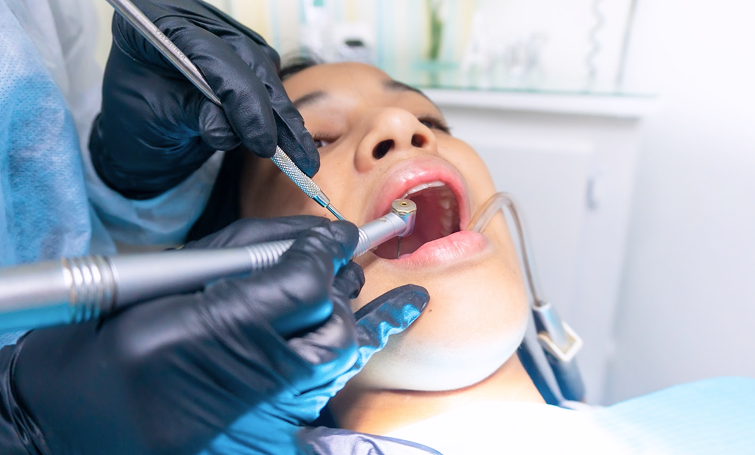
Dental scaling uses ultrasonic tools and fine instruments to remove plaque and tartar from teeth and gums. The procedure is generally painless, may cause minor discomfort if gums are sensitive, and takes 20–60 minutes.
Scaling restores gum health and slows gum disease progression. Regular dental scaling is essential for adults, especially those with periodontal disease, to maintain long-term oral health and prevent further complications or tooth loss.
Dental polishing is a gentle treatment that smooths and brightens teeth using a rotating brush and special paste. Typically done after scaling, it removes minor stains, helps prevent plaque build-up, and supports healthy gums.
Polishing enhances your smile without whitening agents while protecting gums and freshening breath. It’s not purely cosmetic—this treatment contributes to long-term oral hygiene and overall dental health.
Your dentist or hygienist examines teeth and gums to identify early signs of gum disease, cavities, or other issues. This assessment helps determine which areas require extra attention during the cleaning.
The session starts with scaling using hand instruments and an ultrasonic tool. Plaque and hardened tartar above and below the gum line are gently removed, which cannot be done through daily brushing or flossing.
After scaling, teeth are polished with a soft rotating brush and special paste. This removes surface stains, smooths enamel, brightens your smile, and leaves your mouth feeling fresh and clean.
Fluoride gel may be applied if recommended. The hygienist will provide personalised guidance on brushing, flossing, and schedule your next visit to maintain long-term oral health.
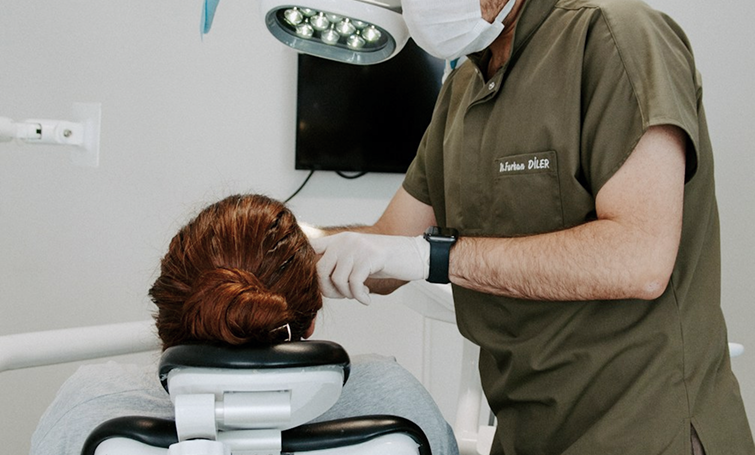
Dental hygiene treatments remove everyday enamel stains from coffee, tea, or betel chewing. Regular sessions restore brightness, maintain shine, and prevent stains from becoming permanent, keeping your smile healthy, fresh, and visually appealing.
Crowns, bridges, and implants require extra care. Plaque and tartar can accumulate around restorations, increasing gum problems. Professional dental hygiene cleans these areas, protecting your dental work, ensuring it lasts longer, and functions correctly.
Smoking causes stains, bad breath, and raises gum disease risk. Even after quitting, teeth and gums can be affected. Dental hygiene treatments help reduce staining, freshen breath, and support healthier gums for long-term oral care.

We’ve gathered the most frequently asked questions from patients, so you can get quick answers without waiting. Answers are written by our dental team to provide reliable information. For detailed and personalised questions, please call us or submit an online enquiry.
You should see a dental hygienist as often as your dentist recommends. Most people only need to see a hygienist every 6 months. But those with gum disease or tartar build-up might need to see a hygienist every four months.
Teeth cleaning or dental hygiene costs in Sri Lanka start around Rs 6,000 but can go up to Rs 10,000 depending on the amount of plaque build-up. You should expect to pay around Rs 8,000 for a full mouth cleaning and polishing.
Yes. Dental hygiene treatments control bacteria and inflammation in the mouth, a necessary step toward gum disease management or prevention. Gum disease is linked to systemic conditions such as heart disease, type 2 diabetes, and some breathing difficulties. When hygiene treatments make your teeth cleaner, it also helps improve your overall health.
Dental hygiene cleaning can remove some staining from betel chewing, but hard-set stains may require professional whitening. It is recommended to go through with a dental scaling and polishing session to find out for sure if you need advanced stain removal treatments.
For most patients, dental hygiene cleaning is painless and comfortable. However, dental scaling can cause mild sensitivity if there’s gum recession, inflammation, or heavy tartar build-up. However, this pain is temporary. Our hygienists take extra care to minimise discomfort.