Advanced Endodontic Therapy in Sri Lanka
Starting From
LKR 120,000.00

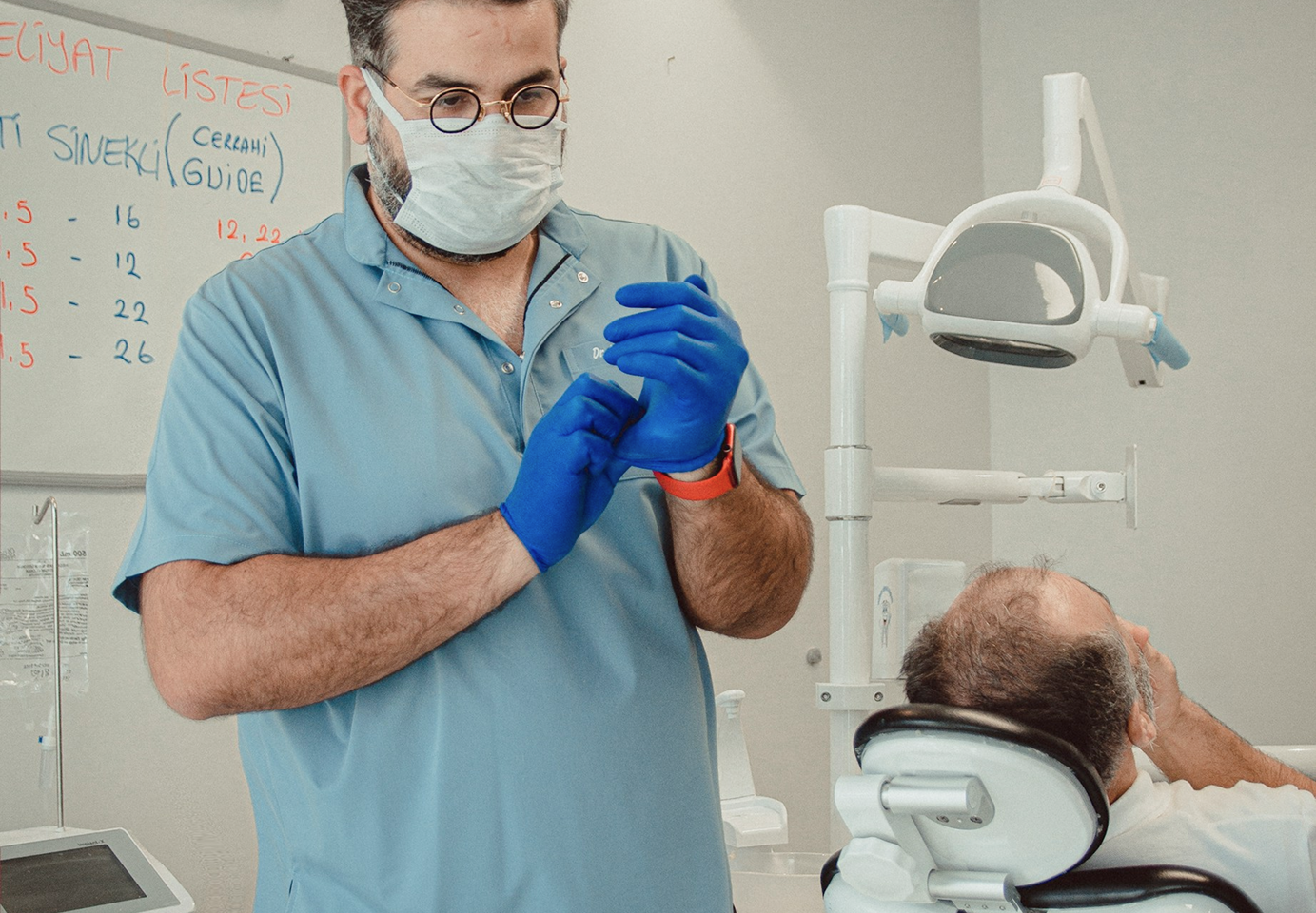
You may need a root canal if the pulp inside your tooth is infected or damaged, which you will notice with severe pain and swelling. Pulp infection usually happens when decay, cracks, or trauma are left untreated and progress. Root canal treatment removes the infection and saves the tooth from extraction.
A dental nerve filling is recommended when these symptoms persist or get worse. Acting quickly prevents the infection from spreading and allows the tooth to be preserved with a durable restoration.
Most patients recover from a root canal within a few days. Mild soreness or sensitivity is common for a few days, especially when chewing. However, it usually fades quickly. Prime Smile provides clear aftercare instructions and support to keep your root canal downtime to a minimum.
Most of our patients return to normal routines almost immediately. We recommend follow-up appointments to check how the restoration (a crown or a filling) holds up. Following the dentist’s advice is important to ensure your tooth heals properly and remains strong for years to come.
The dentist examines the tooth and uses X-rays to confirm pulp infection. Local anaesthesia is applied, and the site is prepared carefully to ensure a pain-free root canal procedure before treatment begins.
A small opening is made in the tooth to reach the infected pulp. Special instruments remove diseased tissue. Thanks to anaesthesia, the procedure is painless, and the dentist ensures all infected material is fully cleared.
The empty canal is disinfected to remove bacteria. The tooth is shaped to fit a filling or crown, restoring structure and ensuring the root canal is ready for permanent sealing and long-term function.
The canal is filled with biocompatible material to seal it. A dental crown or filling is placed to restore function and prevent reinfection. Aftercare instructions and follow-up recommendations ensure proper recovery and lasting results.
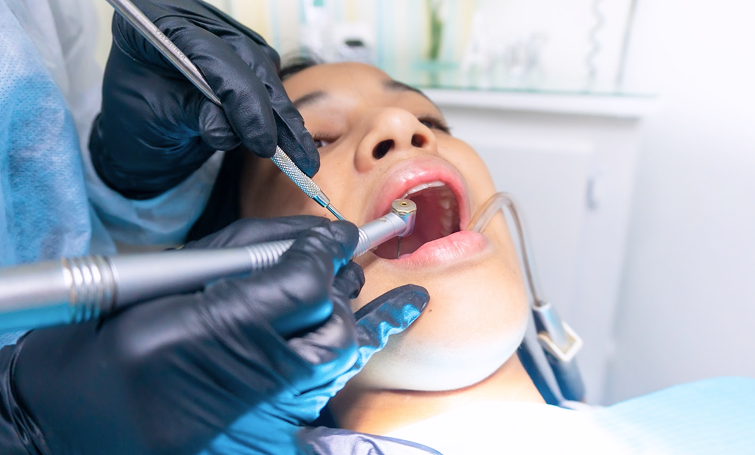
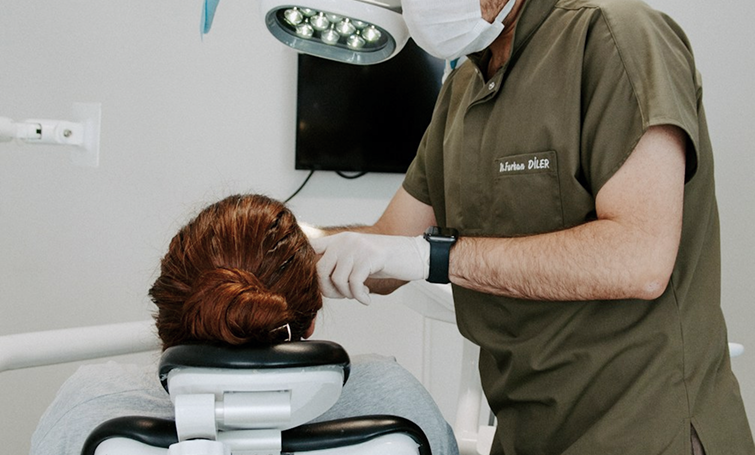
We remove all infection using advanced rotary endodontic tools. The pulp is carefully cleaned and disinfected to eliminate bacteria at the root tips. This reduces reinfection risk and increases long-term success. Chemical irrigants and electronic apex locators ensure your root canal is precise and effective.
After treatment, we restore your tooth with crowns or fillings to regain strength and appearance. Options range from aesthetic composite crowns to durable amalgam fillings. Each restoration mimics natural enamel, so your tooth looks normal and functions properly when you chew, speak, and smile.
Your care doesn’t stop after treatment. We provide detailed aftercare guidance and follow-up visits to monitor healing and prevent complications. Our dentists focus on protecting your restored tooth long-term, helping you maintain function, comfort, and oral health for many years ahead.

We’ve gathered the most frequently asked questions from patients, so you can get quick answers without waiting. Answers are written by our dental team to provide reliable information. For detailed and personalised questions, please call us or submit an online enquiry.
Private root canal treatment in Sri Lanka usually costs between Rs 20,000 and Rs 35,000. Government hospitals offer free care but often involve long waiting times. Costs depend on tooth type, number of canals, and whether a crown or permanent filling is needed afterward.
Common signs of pulp infection include severe toothache, pain when biting, lingering sensitivity to hot or cold, gum swelling or abscess, and tooth discolouration. If pain worsens when lying down or chewing, it may indicate deep infection requiring root canal treatment.
Yes, in Sri Lanka, nerve filling is used interchangeably to refer to a root canal treatment. The procedures are the same.
Most root canals are completed in one or two visits. The first visit removes infection, and the second seals and restores the tooth. Some cases need an extra follow-up appointment to check healing and ensure the restoration is stable and functioning correctly.
Most patients return to office work the same day or the next day after a root canal. Once numbness fades, daily activities feel normal. People with physically demanding jobs may choose to rest for a day or two before resuming full duties.