Experienced Providers of Airflow Dental Cleaning
Starting From
LKR 120,000.00

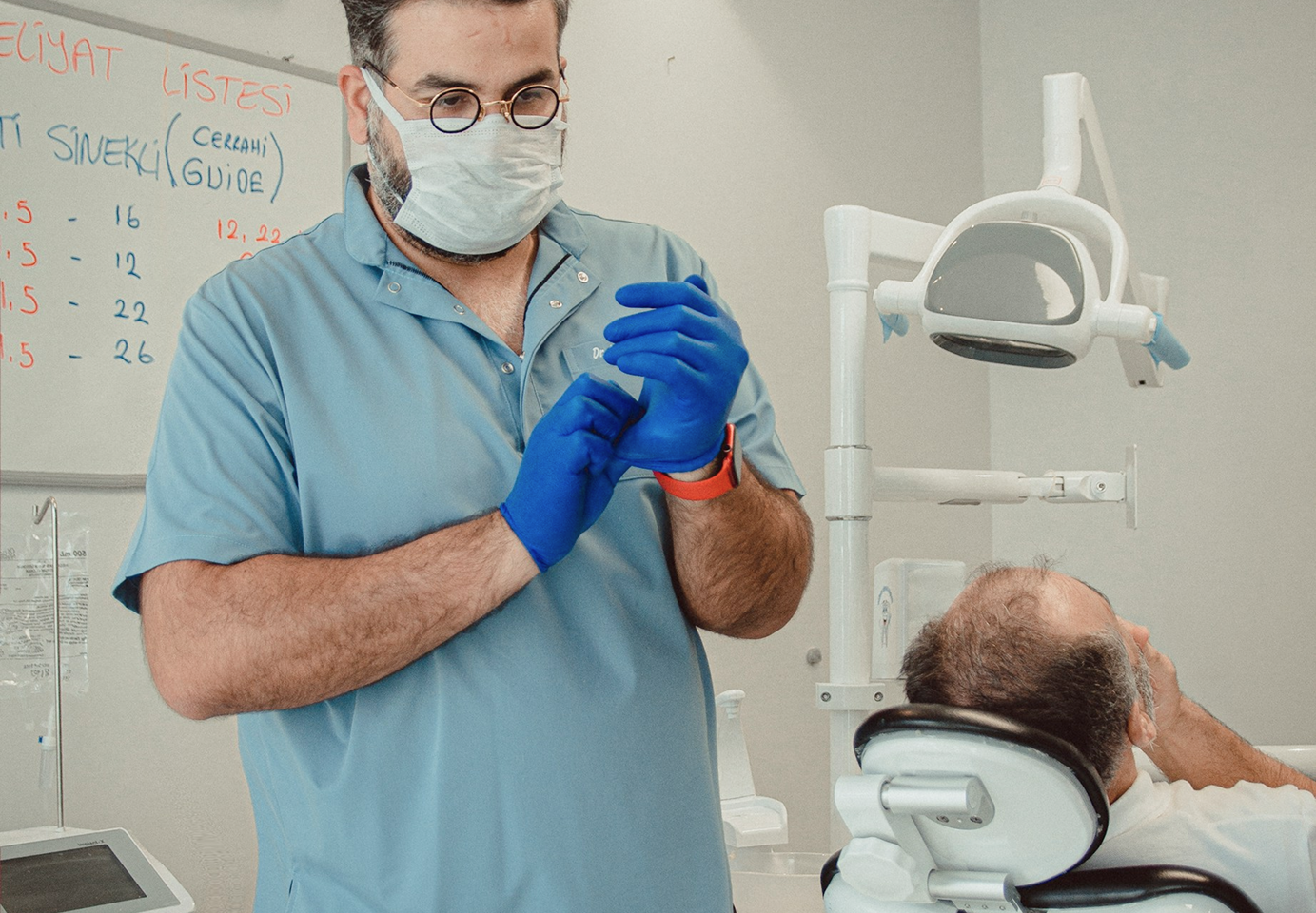
Airflow removed biofilm gently with little to no discomfort. It’s particularly beneficial for patients who already have gum disease and are worried about sensitivity. It takes less time than traditional cleaning and does not make scary sounds. You will be able to leave treatment with peace of mind and a healthier smile.
Patients with sensitive teeth can relax during Airflow cleaning. The treatment is quick, virtually pain-free, and avoids severe discomfort. You leave with a fresh mouth and a positive, comfortable dental experience every time.
Biofilm is a sticky bacterial layer on teeth and gums, different from plaque. If untreated, it contributes to gum disease, bad breath, and other oral health issues. Airflow efficiently targets and removes biofilm, even in hard-to-reach areas.
Airflow removes biofilm gently with minimal discomfort. It is ideal for patients with gum disease or sensitivity, avoids scary sounds, is faster than traditional cleaning, and leaves you with a healthier, cleaner, and more comfortable smile.
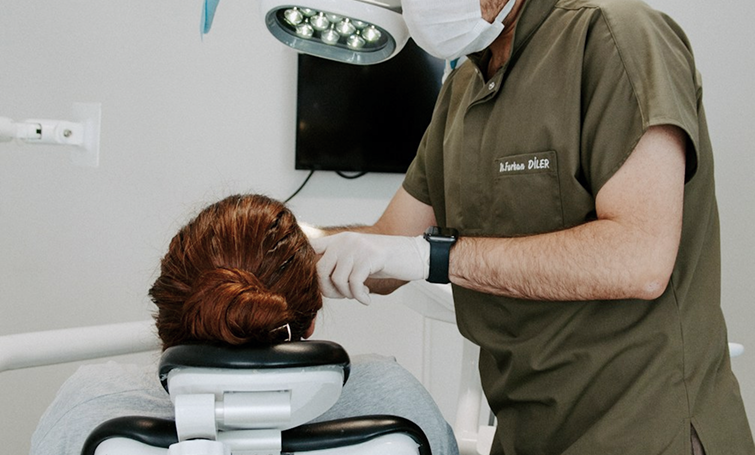
Your session begins with the hygienist explaining the procedure and checking for sensitivity. A waterproof drape protects your clothing, and you’ll settle comfortably in the chair before the gentle, non-invasive cleaning starts.
The hygienist uses a warm spray of air, water, and powder to remove plaque, biofilm, and stains. It feels like a tiny water jet on teeth, with no scraping and minimal noise.
After cleaning, teeth are polished with the Airflow system. The water and powder smooth enamel, remove stains, and reach areas missed by traditional tools, including gumlines, between teeth, and around braces or implants.
The hygienist completes the session with gentle touch-ups, leaving teeth cleaner and breath fresher. You can spit out water, remove the drape, and receive personalized advice before leaving the clinic.
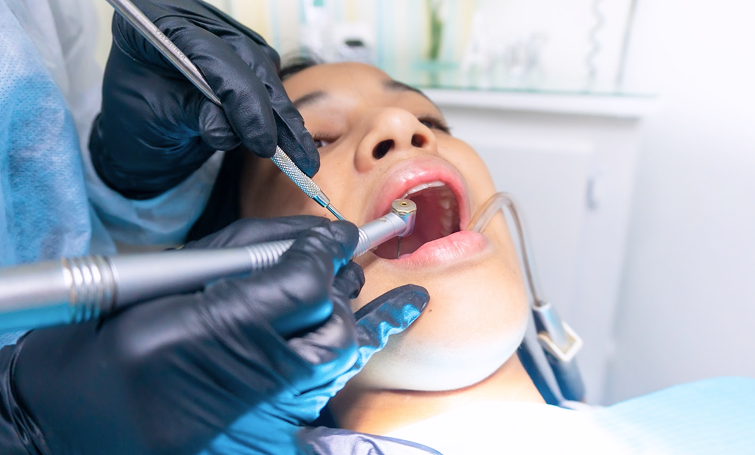
Airflow is used for Guided Biofilm Therapy (GBT), an advanced hygiene protocol. Biofilm is made visible with a dye, and the precise Airflow spray removes it accurately, making GBT more effective and controlled.
Traditional polishing pastes can be abrasive, wearing down enamel over time. Airflow uses gentle water and soft powder, avoiding friction and micro-scratches, preserving the enamel while providing a thorough, safe, and comfortable cleaning during multiple sessions.
Airflow reduces chalky taste and sensitivity from traditional polishing agents. The powder is often tasteless or lightly flavoured, leaving no gritty residue, making the treatment more pleasant, comfortable, and enjoyable for patients with sensitive teeth or taste concerns.

We’ve gathered the most frequently asked questions from patients, so you can get quick answers without waiting. Answers are written by our dental team to provide reliable information. For detailed and personalised questions, please call us or submit an online enquiry.
Yes. Traditional scaling uses metal scrapers or ultrasonic tips to remove plaque. Airflow is a touch-free method with warm water and fine powder, gently and effectively removing biofilm and stains that manual scaling may miss.
Yes, Airflow can remove stains from tea, coffee, and betel chewing. The fine spray reaches microscopic enamel pores and tight gaps between teeth, though severe or deep-set stains may still require professional whitening treatment for full removal.
No, Airflow cleaning is generally painless and comfortable. Warm water reduces shock to sensitive teeth. Mild discomfort may occur near gum recession areas, but it is temporary, disappearing once the water jet stops during treatment.
Airflow dental cleaning costs around Rs 10,000 or more in Sri Lanka. Traditional scaling is approximately Rs 6,000. Prices may vary depending on the treatment’s extent, the number of teeth involved, and the patient’s specific hygiene needs.
Yes, Airflow is safe for braces, implants, and veneers. The precise spray cleans around orthodontic brackets and implant edges thoroughly, protecting dental work while providing superior cleaning compared to traditional scaling or polishing methods.